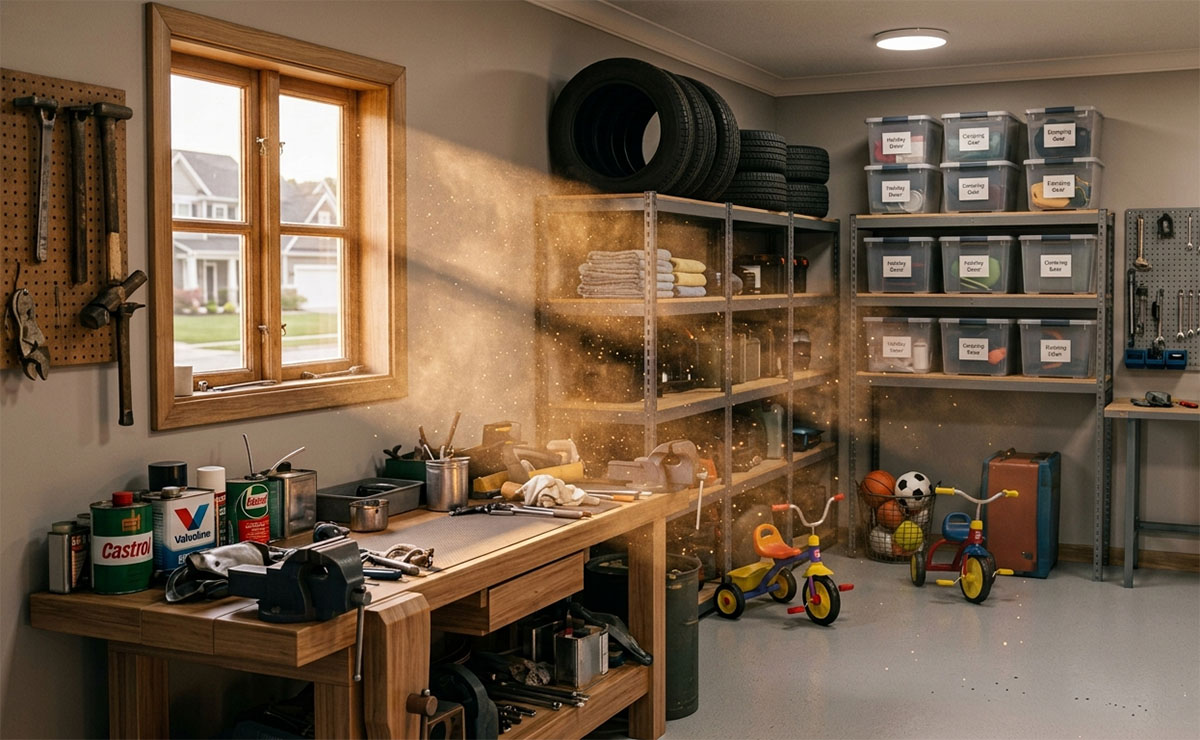
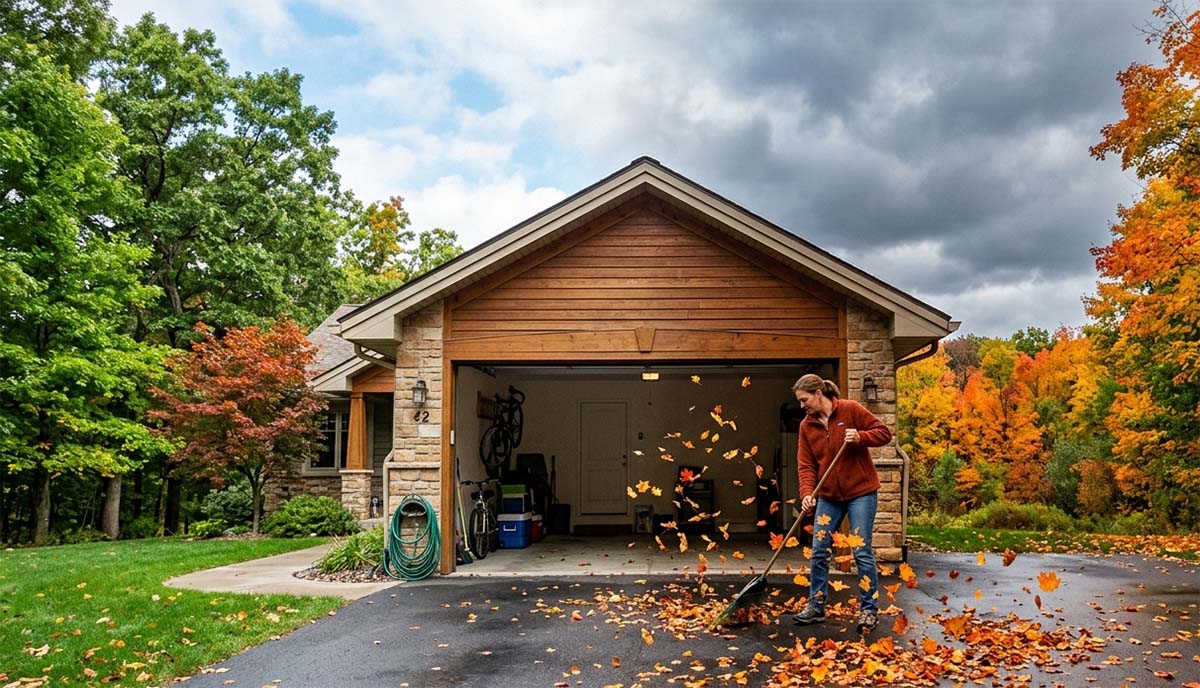
When you picture a storm shelter, you probably think “safe space” first—not “musty space.” Yet underground spaces often battle humidity, stale air, and temperature swings that lead to condensation, funky odors, and the telltale spots of mold or mildew. The common instinct is to “seal it up tight” or toss in a bucket of desiccant (like the products often marketed as DampRid). The problem? In a confined space, those tactics treat symptoms and can even make things worse. The lasting solution is breathability—and that’s exactly where a breathable supplemental cover shines.
Below, we’ll explain why mold happens in shelters, why solid tarps and heavy “air-sealing” backfire, how breathable covers interrupt the moisture cycle, and what simple routine keeps your shelter fresh and ready.
Why mold shows up in underground shelters
Mold and mildew thrive when three conditions meet: moisture, still air, and a food source (dust, cardboard, wood, fabric). Underground shelters naturally face:
- Humidity & condensation: Cooler concrete + warmer, moist air = water droplets on surfaces.
- Stagnant air: Limited movement lets humidity hang around.
- Debris & dust: Around the lid (the “crown”) and approach path, providing food for spores.
Left unchecked, you get musty smells, slick surfaces, and an environment kids and pets don’t want to enter—exactly the opposite of what you need when seconds count.
Why “seal it up” fixes and solid tarps often make it worse
It’s intuitive to think, “If moisture’s a problem, seal every gap.” But underground, trapped moisture is the real enemy. Two common missteps:
- Air-sealing vents and edges
Caulking or foaming every seam (especially vents) stops airflow. Humidity then accumulates inside, raising the dew point and increasing condensation on cool surfaces. - Non-breathable tarps and vinyl layers
Solid covers trap vapor rising from below and condensation forming above. Result: mustier air, damp surfaces, and faster mildew growth—plus uncomfortable, stale conditions for your family.
Sealing out new air doesn’t remove the moisture already present; it simply locks it in.
“But what about DampRid or other desiccants?”
Desiccant buckets can absorb some ambient moisture, but they don’t replace ventilation and they saturate. In a confined space where people may sit for an hour or more, you also don’t want to rely on products that introduce additional odors or require frequent handling. If you use a desiccant, treat it as a supplement, not a solution—and never as a substitute for air movement and breathable design.
How a breathable cover breaks the moisture cycle
A breathable supplemental cover works with your existing metal lid and vents to reduce the conditions mold loves, without blocking airflow.
- Airflow, not air-sealing: The mesh/rubber design lets water vapor escape while stopping leaves, dust, and insects from accumulating around the lid.
- Less condensation risk: With gentle air exchange, interior humidity equalizes more smoothly, reducing the “sweat” that forms on cool concrete and metal.
- Cleaner perimeter: Because debris and bugs stay out, there’s less organic material for mildew to feed on—and less “ick” factor when you need to enter quickly.
- Easy upkeep: The low-profile layer lifts in seconds so you’ll actually do the quick clean that keeps conditions stable.
In short, breathability controls moisture at the source—by avoiding the trap that solid tarps create.
What makes Take Cover’s breathable layer different
- Purpose-built, not a tarp: Designed to be permeable to water vapor while forming a practical barrier against pests and debris.
- Low profile & garage-friendly: Sits flush to reduce toe-stubs and snags, and tolerates everyday traffic around the lid.
- Quick access: Lift a corner, brush, reseat—done in under two minutes.
- Complements existing ventilation: Preserves the airflow your shelter needs to stay fresher and drier.
A simple, non-toxic plan to reduce mold in your storm shelter
- Keep the crown clean
Sweep leaves, dust, and webs around the lid regularly (weekly in storm season). Less debris = fewer spores and less moisture retention. - Protect airflow
Never “seal” vents. The goal is movement, not isolation. A breathable cover keeps out junk while allowing the shelter to breathe. - Control nearby moisture & light
Squeegee any standing water near the approach after rain. At night, tone down bright exterior lights that draw insects (which bring organic material with them). - Use the breathable supplemental cover daily
Seat it evenly around the perimeter. It blocks debris and pests that carry moisture and food for mildew—without trapping vapor. - Adopt a lift-and-brush habit (monthly, 2 minutes)
Lift one edge, brush away fine dust, check that vents are unobstructed, reseat. Small, consistent steps beat big, rare cleanups.
Solid tarps vs. breathable covers: a quick comparison
| Feature | Solid Tarp / Vinyl | Breathable Supplemental Cover |
|---|---|---|
| Vapor handling | Traps moisture | Allows vapor to pass |
| Odors/mildew | Often worsens | Reduces conditions mold prefers |
| Cleaning | Awkward to remove | Lift, brush, reseat in seconds |
| Comfort inside | Stale, clammy | Fresher, less musty |
| Pest/debris barrier | Blocks debris but also airflow | Blocks debris while preserving airflow |
If you’ve tried a solid tarp and noticed worse smells over time, you’ve experienced this difference firsthand.
Before-and-after indicators to watch
- Smell test: Mustiness should noticeably drop after a few weeks of breathable use + light housekeeping.
- Surface feel: Fewer damp surfaces, less “film” on metal or concrete.
- Less pest activity: With debris excluded and airflow preserved, insects and spiders have fewer reasons to linger.
- Faster readiness: Families (and pets) enter more willingly when the space is clean and fresh.
(Optional bonus: place an inexpensive hygrometer inside for a month to see humidity stabilize with routine.)
60-second mold-reduction checklist
- Perimeter clear? Crown swept; no leaf litter or webs.
- Airflow protected? Vents unobstructed; no solid tarps.
- Breathable cover seated? Edges snug all around.
- Standing water? None near the approach; squeegee after rains.
- Lift-and-brush done? One corner lifted, debris brushed, reseated.
Tape this list near your garage entry and make it part of your monthly routine.
The bottom line
To avoid mold in a storm shelter, don’t seal it tighter—let it breathe. Solid tarps and heavy air-sealing trap moisture, inviting the very odors and mildew you’re trying to avoid. A breathable shelter cover that complements ventilation, paired with simple housekeeping, keeps moisture moving out, debris and pests from settling in, and your family comfortable when it matters most.
If you’re ready to replace the musty gamble with a clean, calm routine, switch to breathable and set a two-minute monthly reminder. Your future self—under the siren—will thank you.