
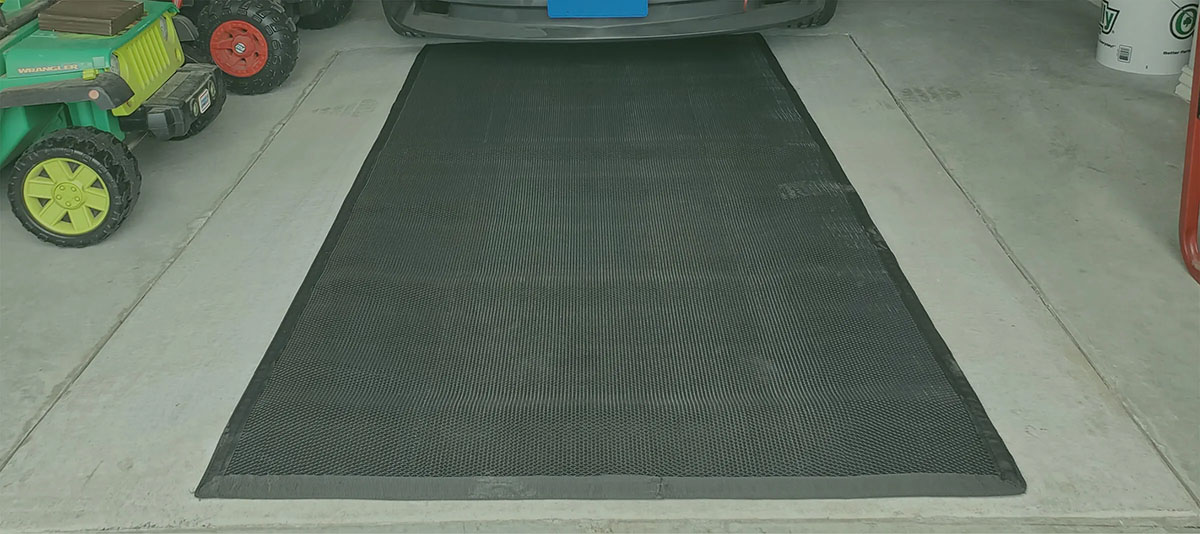
If you’ve ever hesitated to put anything over your in-garage tornado shelter because you weren’t sure what it might do to your warranty, that’s a reasonable thing to think about. Shelter warranties aren’t cheap to lose—and some accessories genuinely can create problems with them. But a breathable cover is a different story, and it’s worth understanding exactly why.
What Storm Shelter Warranties Actually Cover
Most in-garage underground shelters come with some version of a limited warranty. The exact language varies by manufacturer, but a few provisions show up almost everywhere.
Structural integrity and leak protection tend to carry the longest coverage—often 10 years for concrete or watertightness issues. Workmanship is typically covered for a shorter window, often one to three years. Some manufacturers offer limited lifetime coverage on structural defects.
There are also some near-universal exclusions. Warranties almost always call out:
- Modification or alteration of the shelter
- Improper maintenance or neglect
- Water entering through doors or vents
- Condensation caused by humidity or temperature changes
That last one matters a lot for this conversation.
Where Vinyl Covers and Tarps Can Get You in Trouble
Here’s the issue with a solid vinyl cover or a standard tarp: they create a sealed environment over the shelter opening. Moisture that enters the shelter—through condensation, humidity drawn in from the garage floor, or temperature cycling—has nowhere to go. It sits. It builds up. Over time, that humidity damages door hinges, corrodes hardware, degrades interior coatings, and encourages mold growth.
Now look back at those warranty exclusions. Most manufacturers explicitly exclude damage caused by condensation and humidity. They also typically exclude corrosion of hinges, paint and coatings, and vent components. If a warranty inspector determines that moisture buildup contributed to a failure—and a sealed cover over the hatch is a reasonable contributing factor—you may have a harder time making that warranty claim stick.
That’s not a hypothetical. Trapping humidity is how you end up in a warranty gray zone.
Why a Breathable Cover Doesn’t Create That Problem
The Take Cover breathable shelter cover works differently. Instead of sealing the hatch, it allows air to pass through while keeping out pests, debris, and surface water. Moisture vapor can escape. The shelter stays closer to ambient conditions rather than becoming a sealed humidity chamber.
This matters for warranty purposes because breathability removes the condensation argument. You’re not creating a sealed microenvironment or modifying the shelter structure. There are no vents blocked, no hardware touched, no structural changes made. It’s a low-profile, non-invasive layer that sits over the crown and stays out of the way.
In fact, at least one shelter installation company evaluated the Take Cover cover specifically on this question and determined it would not nullify their lifetime warranty. That’s not marketing language—it’s what the people who write and honor those warranties concluded when they looked at how the product actually works.
The Warranty Clauses Worth Re-Reading
If you have an existing shelter, pull out your warranty documentation and look for language around:
Condensation and humidity—Most warranties exclude damage from this cause. A breathable cover reduces the conditions that produce it. A vinyl cover or tarp can make it worse.
Maintenance requirements—Many warranties require homeowners to keep the shelter in good working order. Corrosion from trapped moisture is a maintenance failure. A breathable cover is a maintenance tool.
Modification exclusions—Adding a supplemental cover that doesn’t alter the shelter structure, door, vents, or hardware isn’t a modification in any meaningful sense. There’s nothing to cut, drill, or attach.
Hardware exclusions—Hinges, latches, and vent components are often excluded from warranty coverage or carry shorter coverage windows. Protecting them from accelerated moisture-driven corrosion is in your interest regardless of what the warranty says.
The Short Version
If you’re worried about your shelter warranty: a breathable cover doesn’t touch the structure, doesn’t seal the shelter, and doesn’t create the humidity conditions that most warranty exclusions are written around.
A vinyl cover or a solid tarp? That’s a different conversation. Sealing in moisture over a steel door and concrete structure is exactly the scenario most warranty exclusions anticipate.
Keeping your shelter pest-free, dry, and clean isn’t a warranty risk. It’s just good maintenance.

