Believe it or not, all tornado shelters are subject to mold and mildew. Limited airflow, increased humidity, and stale air make these spaces vulnerable. Tornado shelters usually have very few openings to maximize structural integrity. This design choice, however, creates the perfect conditions for humidity to build up and for air to grow stale. When airflow stops, mold, mildew, and corrosion start to develop. This degrades air quality, triggers health issues, and accelerates the breakdown of your shelter.
The Role of the Take Cover™ Tornado Shelter Cover
The Take Cover LLC and Take Cover™ tornado shelter cover, protected by patent, helps address these problems. Its design facilitates airflow and circulation. It reduces moisture buildup, which is essential for preventing mold and mildew. Improved ventilation also slows corrosion, so your shelter’s structure lasts longer. The cover fully seals the shelter lid, keeping out pests and debris. It also eliminates tripping hazards and improves cleanliness. Most importantly, it brings peace of mind to homeowners.
Why Shelter Location Matters
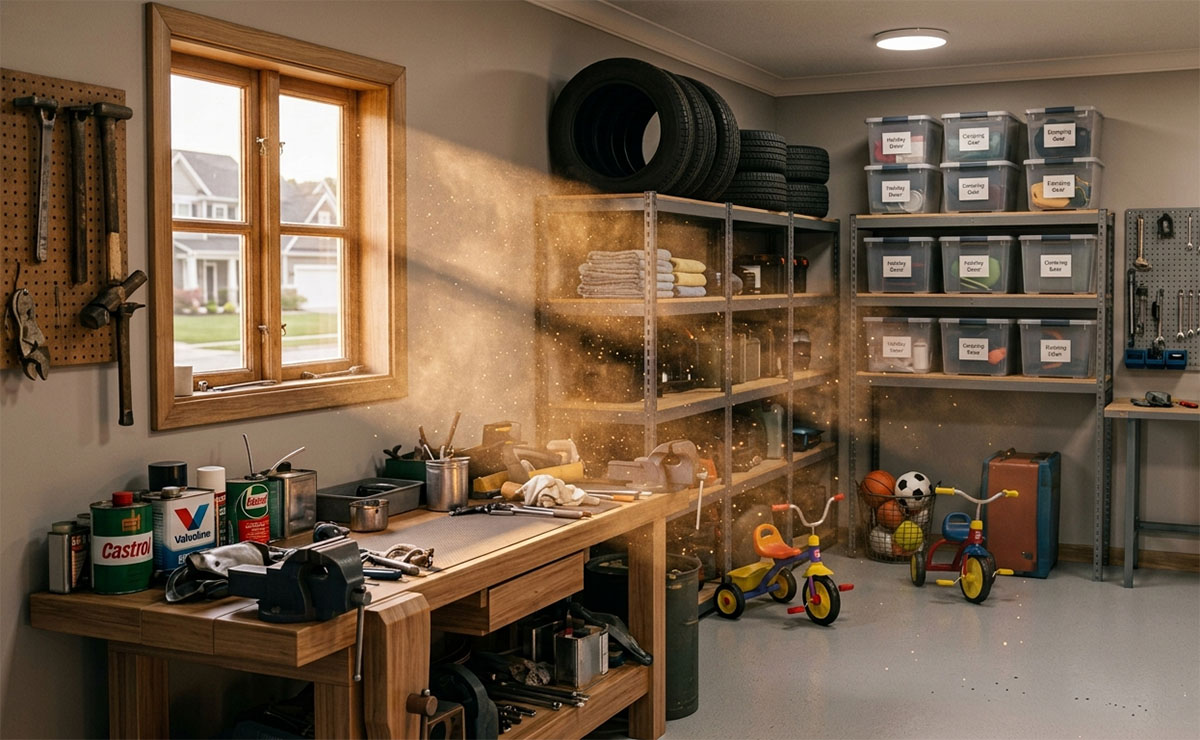
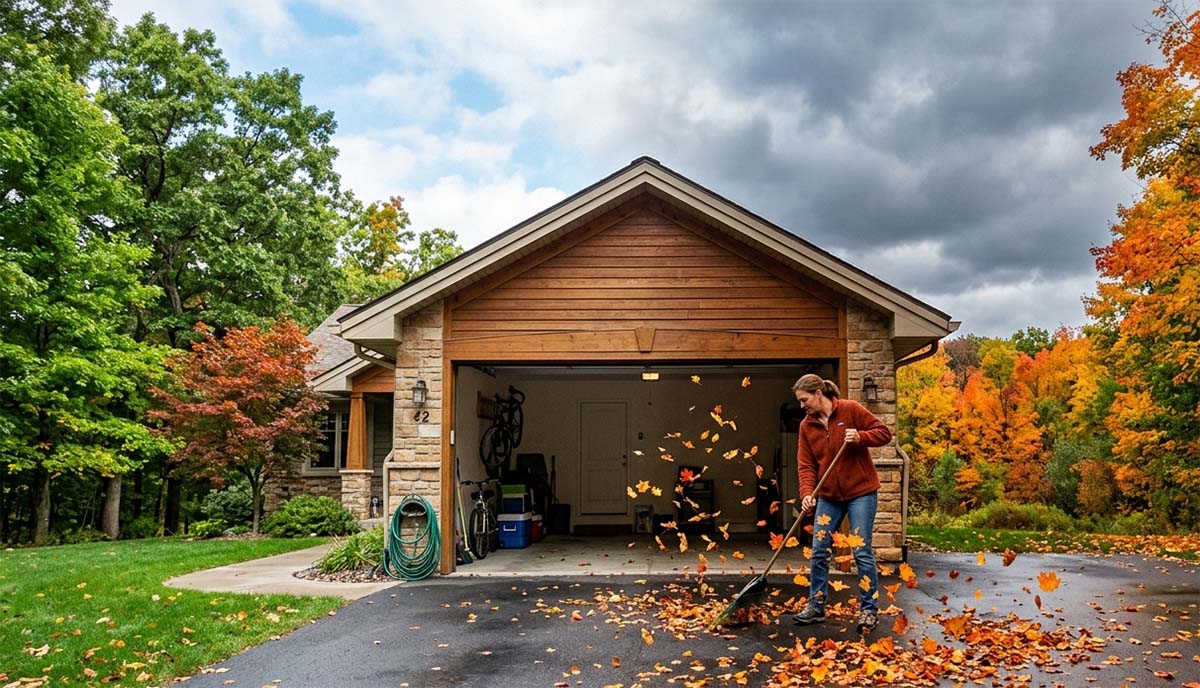
The location of your tornado shelter matters too. When placed inside a garage, the shelter and cover stay protected from rain, snow, direct sunlight, and temperature extremes. The garage offers a small but steady exchange of ambient air. Open garage doors and conditioned air from the home can help. However, avoid sealing shelter openings with caulk or spray foam, which would trap moisture. Never use a homemade, solid, unvented cover. A vented, breathable shelter cover makes a big difference. You’ll notice less musty smell and humidity. Good ventilation is the key to less mold and mildew. If the shelter’s paint chips or is damaged, moisture can access the metal and cause corrosion.
Health Risks of Mold and Mildew
Mold and mildew mostly affect people with allergies, asthma, or weakened immune systems. Mildew is less dangerous and usually stays on surfaces. It’s easier to clean and less irritating. Mold, however, can be serious, especially if it grows unchecked. The risks depend on the amount of moisture, the type of mold, and how long it goes untreated. Mold spreads through spores. The longer it stays, the more it grows and the more it irritates the body. Symptoms include scratchy throats, mild coughs, asthma, wheezing, runny noses, itchy skin, rashes, and watery eyes. Most often, you’ll notice a musty smell first. Heavy, stale air signals high humidity and a risk for mold and mildew. Ventilation should always be your first step to prevention.
Who Is Most at Risk?
Mold and mildew can affect anyone, but these groups face greater risk:
- Infants and children (with developing immune systems)
- Older adults
- People with pre-existing health conditions or weakened immune systems
- Anyone with respiratory or lung conditions
Prolonged mold exposure can worsen health problems and damage the shelter’s structure. Repairs can be expensive.
Why the Take Cover™ Shelter Cover Is the Solution
The Take Cover™ tornado shelter cover provides the ventilation needed to keep humidity low and mold at bay. By improving airflow, it extends the life of your shelter and can save you thousands on repairs. Most importantly, it prevents unhealthy conditions and supports your physical and emotional well-being during storms. Choose the Take Cover™ shelter cover to put yourself, your family, and your pets in the best possible position when tornadoes strike.
References
Dunkin, M. A., Painter, K., & Sheikh, Z. (2024). Mold in House: Causes, Effects, and Prevention Strategies. Retrieved from https://www.webmd.com/lung/mold-mildew
Stoppler, M. C., & Shiel, W. C. (2022). Mold Exposure. MedicineNet. Retrieved from https://www.medicinenet.com/mold_exposure/article.htm